
How To Deep-Clean Upholstery Using A Vacuum
Did you know your sofa is a secret ecosystem? Upholstery fabrics are incredibly effective at trapping an undesirable collection of debris: dust mites, skin flakes, dander, pet hair, and even cooking oils. Over time, this deep-seated grime contributes to airborne allergens and nasty odours that simply won’t go away with a surface wipe.
Most people only clean their upholstery when they see a stain, but a proper, regular deep clean is essential for extending the life of your furniture, improving your indoor air quality, and reducing allergens.
The good news? The single most effective, safe, and non-damaging tool you already own for this job is your vacuum cleaner. Done correctly, deep-cleaning with a vacuum prevents the need for harsh chemicals and expensive professional services.
What You’ll Need
Before you begin your sofa cleaning or furniture deep-cleaning session, gather the right tools. Using the correct attachments is critical for a thorough, fabric-safe treatment.
- Vacuum with Strong Suction + HEPA Filtration: A powerful motor is needed to lift embedded dirt, and HEPA filtration ensures allergens stay trapped, not blown back into the air, for example the Pullman CD1203.
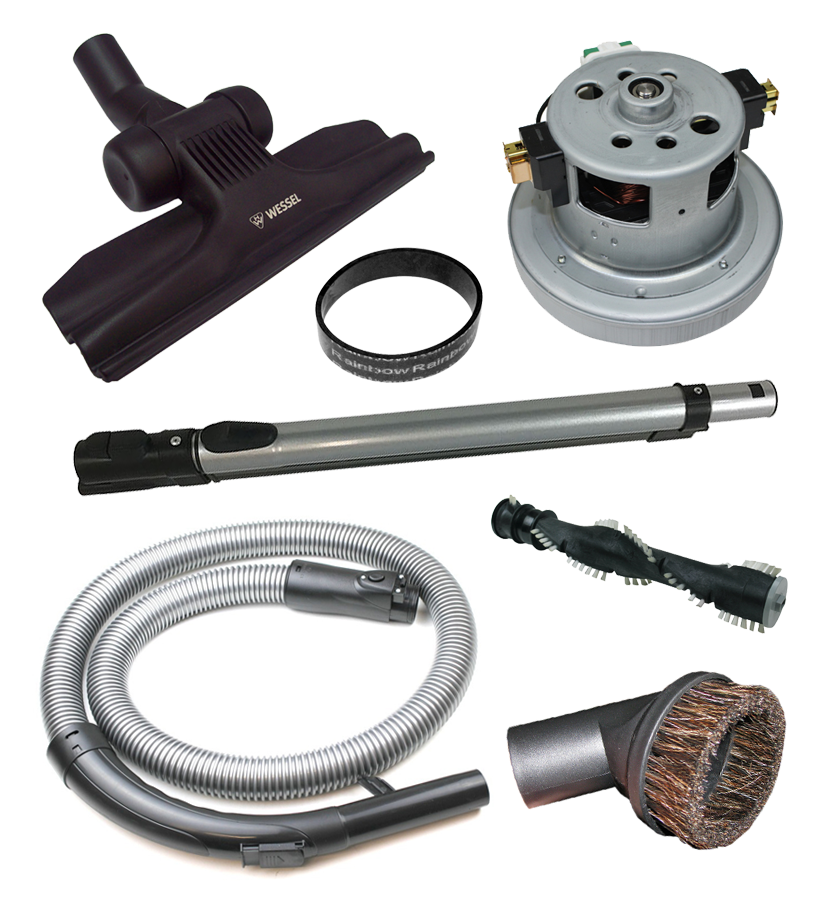
- Upholstery Tool / Handheld Turbo Brush: Essential for tackling flat surfaces and extracting pet hair.
- Crevice Tool: For reaching into seams, folds, and under cushions.
- Fabric Brush Attachment: A softer option for delicate materials.
- Optional: Fabric-Safe Cleaning Spray: For spot treating heavy stains before vacuuming, for example, the Enzyme Wizard Carpet and Upholstery Cleaner.
Step 1 - Prep Your Upholstery for Deep Cleaning
Proper pre-cleaning is crucial for achieving effective results and maintaining upholstery.
- Check the Manufacturer Tag: Look for the cleaning code (usually on the underside of a cushion or frame):
- W: Water-based cleaner safe.
- S: Solvent/water-free cleaner only.
- SW: Solvent or water-based cleaner safe.
- X: Vacuum only.
- Remove All Cushions: Take off loose cushions, blankets, and pillows.
- Vacuum the Floor: Quickly vacuum the area around the furniture to prevent loose dust and debris from being reintroduced to the fabric as you work.
- Pre-Treat Stains (Optional): Apply a small amount of fabric-safe cleaner to any visible stains according to the code, letting it dwell for a few minutes before you begin the deep vacuum process.
Step 2 - Choose the Right Vacuum Attachments
The right vacuum attachments for couches make all the difference in lifting embedded grime. Here’s how to choose the best tools for deep cleaning fabric:
Attachment Name | Best Use Case | Why It Works |
Upholstery Tool | Flat surfaces, cushion tops, backs. | Wide, flat head provides even suction and maximum contact. |
Turbo/Power Brush | Pet hair, embedded dirt, deep debris. | Uses air-driven (or motorised) rotation to agitate and lift stubborn material. |
Crevice Tool | Seams, edges, piping, under cushions. | Narrow nozzle directs concentrated suction into tight spaces. |
Soft Brush | Delicate fabrics (silk, velvet), lamp shades. | Long, soft bristles gently loosen surface dust without damaging the pile. |
Step 3 - The Correct Technique for Deep Vacuuming Upholstery
For a thorough job, technique matters. Don’t rush this step; go slowly so the suction has time to work.
- Vacuum Seams and Edges First: Start with your crevice tool and go along every seam, fold, and edge where dirt likes to collect.
- Work in Overlapping Strokes: Switch to the upholstery tool or turbo brush. Use short, overlapping strokes, moving slowly across all flat surfaces (cushion tops, arms, backrests).
- Vacuum Underneath: Lift the cushions and vacuum the furniture's inner deck, as this is where the heaviest dust and debris accumulate.
- Tackle Pet Hair: For stubborn pet hair, use your turbo brush attachment and work with short, quick, back-and-forth strokes. The friction helps lift the hair before the suction pulls it away.
- Stubborn Dirt: Use the fabric brush attachment to gently agitate any remaining embedded dirt, then run the upholstery tool over the area again.
Deep-Clean High-Traffic Furniture
Different furniture types have different cleaning needs due to their mechanisms and hidden spaces.
Sectionals
Treat sectionals as individual pieces. Take them apart slightly, if possible, to access the space where the segments meet, this is a major collection point for dirt and crumbs.
Recliners
Always fully extend the mechanism (footrest). This exposes all the hidden folds and crevices that trap years of dirt. Use your crevice tool to clean around the moving parts.
Dining Chairs
Don't forget the back and underside of the cushions! Vacuum both sides of removable cushions and the full backrest, where crumbs and spills are most likely to occur.
How Often to Vacuum Upholstery
Regular cleaning helps prevent dust mite buildup and significantly reduces allergy symptoms. Frequency guidelines:
- General Rule: Once a week.
- Homes with Pets or Allergies: 2–3 times weekly to manage dander and pet hair.
- Deep Clean: Monthly.
- Vacuum Care: Replace or clean your vacuum's HEPA filters every 2–3 months to maintain peak suction and air quality.
When to Call a Professional vs. DIY Deep Cleaning
Knowing your limits is key to upholstery maintenance. While DIY vacuuming is effective for regular cleaning, consider hiring a pro for:
- Upholstery that is only Water-safe (W-coded) and needs a full wet extraction.
- Large, difficult-to-manage pieces, such as custom sectionals.
- Very delicate materials like silk or linen blends that can be easily damaged.
- Stubborn, old stains that keep reappearing (which usually means they are deep in the padding).
In conclusion, A regular, in-depth vacuuming routine is the best way to ensure a cleaner home. It results in fresher air, significantly longer fabric life, and stain prevention by keeping surface dirt from becoming embedded.