

The Ultimate Guide to Wet & Dry Vacuums: Mastering Liquid Cleanup
Unexpected spills, appliance leaks, or even minor flooding can quickly turn your space into a watery challenge. While your regular household vacuum cleaner is a superstar for dry messes, it is not equipped to handle liquids. This is where the versatile and powerful wet & dry vacuum steps in. Designed to tackle both dry debris and liquids with ease, these machines are an indispensable tool for professional cleaners, contractors, and homeowners.
Using a wet & dry vacuum for liquid cleanup effectively and safely requires a proper understanding of its features and operation. This guide will walk you through everything you need to know, from initial setup to post-cleanup care, ensuring you can confidently handle any liquid emergency that comes your way.
Getting Your Wet & Dry Vacuum Ready for Liquids
Before you dive into liquid cleanup, you must set up your vacuum correctly. Proper preparation is the most critical step for effective and safe operation.
- Safety First: Unplug and Assess: Always begin by ensuring your vacuum is turned off and unplugged from the power outlet. This is a non-negotiable safety step before making any adjustments or handling internal components.
- Remove the Dry Filter and Collection Bag: This is the most critical step for wet pickup. Unlike dry vacuuming, using a paper filter or a collection bag when suctioning water will lead to immediate damage. Paper filters become waterlogged, blocking airflow and potentially damaging the motor. Unlatch the top (blower unit) of your vacuum, and carefully remove the dry collection bag and any paper pleated filters. Set them aside for dry vacuuming.
- Install a Wet Filter (If Applicable): Some commercial wet & dry vacuum models, such as those from Ghibli, Cleanstar, Nilfisk, or Kerrick, require or benefit from a foam sleeve or wet filter for liquid pickup. This foam filter protects the motor from water and fine mist while allowing liquids to pass into the tank. Always check your user manual to see if a wet filter is recommended for your specific model.
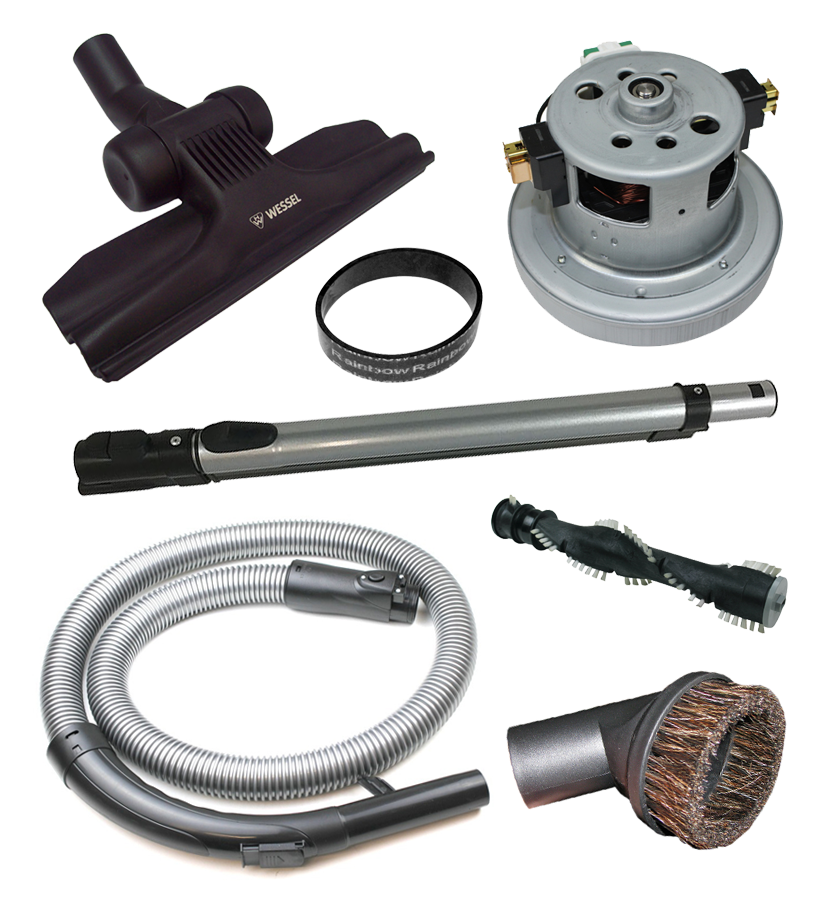
- Select the Right Nozzle: Wet & dry vacuums typically come with various nozzles. For water cleanup, a broad, flat wet nozzle is often ideal for covering larger surfaces quickly. For smaller, more precise areas or crevices, a narrower nozzle will offer better control.
Using Your Vacuum for Water
With your wet & dry vacuum properly prepared, it’s time to put it to work. Remember to move slowly and deliberately to achieve the best results.
- Plug into a GFCI Outlet: For enhanced safety when dealing with water and electricity, we highly recommend plugging your vacuum into a Ground Fault Circuit Interrupter (GFCI) outlet. This provides an extra layer of security against electrical shock.
- Turn On and Position: Once plugged in, turn on your vacuum. Position the nozzle directly onto the water spill or puddle.
- Start Suctioning Water:
- For Water Spread Across a Floor: Slowly move the nozzle over the wet surface in smooth, sweeping motions. Allow the vacuum to fully collect the water in one area before moving to the next.
- For Large Quantities of Standing Water: Place the nozzle directly into the standing water. Your wet & dry vacuum can rapidly draw in significant volumes.
- Listen for the "Full" Signal: As the tank fills, you’ll notice a change in the motor's sound—it might become higher pitched or strain. This indicates that the internal float mechanism is rising and will soon block the suction port to prevent overfilling and protect the motor. Stop immediately when you hear this change.
- Tip: Commercial vacuums often have a larger capacity than regular domestic models, allowing them to handle much greater volumes of liquid before needing to be emptied.
Emptying, Cleaning, and Maintaining Your Vacuum
Proper post-use care is crucial for the longevity of your wet & dry vacuum and to prevent unpleasant odors or mold growth.
- Turn Off and Unplug Before Emptying: Always turn off and unplug your vacuum before attempting to empty the tank.
- Empty the Tank Safely: Carefully detach the top of the vacuum from the canister. Pour the collected water into a suitable drain or disposal area.
- Thorough Cleaning and Disinfection: Because water creates a hospitable environment for mold and mildew, a thorough clean is essential. Rinse the inside of the canister with clean water to remove any residue. For an extra layer of cleanliness, you can use a mild disinfectant solution to wipe down the inside of the tank. Run fresh water through the hose to clear any remaining debris and wipe down all nozzles and attachments.
- Dry Completely: This is vital. Leave the canister upside down or on its side in a well-ventilated area to air dry completely. Hang the hose vertically so any remaining water can drain out. Ensure all attachments and filters (especially reusable wet filters) are bone dry before reassembling or storing your vacuum. Storing a damp vacuum is an open invitation for musty odors and mold.
Expert Tips from VacuumSpot
- For Residual Moisture: After vacuuming up most of the water, use clean towels or paper towels to absorb any remaining moisture from surfaces, ensuring they are completely dry.
- When to Call a Professional: While a wet & dry vacuum is incredibly powerful, there are limits. For extensive flooding (e.g., inches of standing water across large areas of your home), it's always best to contact a water damage restoration professional. They have industrial-grade equipment and expertise to handle large-scale water removal and drying.
- Regular Checks: Periodically inspect your vacuum’s hose and attachments for clogs or wear, keeping it in optimal working condition.
Looking for the perfect wet & dry vacuum for your needs, or need replacement parts and accessories to keep your current one running smoothly? Explore VacuumSpot's extensive range of quality vacuum cleaners and accessories today, including leading brands like Ghibli, Cleanstar, Nilfisk, and Kerrick. Our team is always ready to provide expert advice and help you find exactly what you need.