

Understanding their functions and lifespan
Wertheim vacuum cleaners are a popular choice in Australia and come in various configurations, including handheld stick vacuums and barrel vacuums with special features such as telescopic wands and turbo brush heads, for different cleaning jobs.
When you are using a Wertheim vacuum cleaner, it is very important to make sure that your unit is well-maintained to achieve the best possible results. Best practices for vacuum cleaner maintenance range from clearing knots of hair or fur that get tangled in the brush roller, washing filters on time, using recommended nozzles for different surfaces and vacuuming slowly to capture all the dust or debris, being mindful of all corners, edges and hidden crevices for a spick and span clean-up.
In addition, it would be good to know about the different Wertheim vacuum parts and how they function. This will help you troubleshoot any issues or repairs that may affect your vacuum cleaner’s performance.
When you give the required care and attention to your appliances you are not simply cleaning; instead, your actions are maintaining a record of cleanliness.
Understanding Wertheim vacuum parts and their functions
- The motor
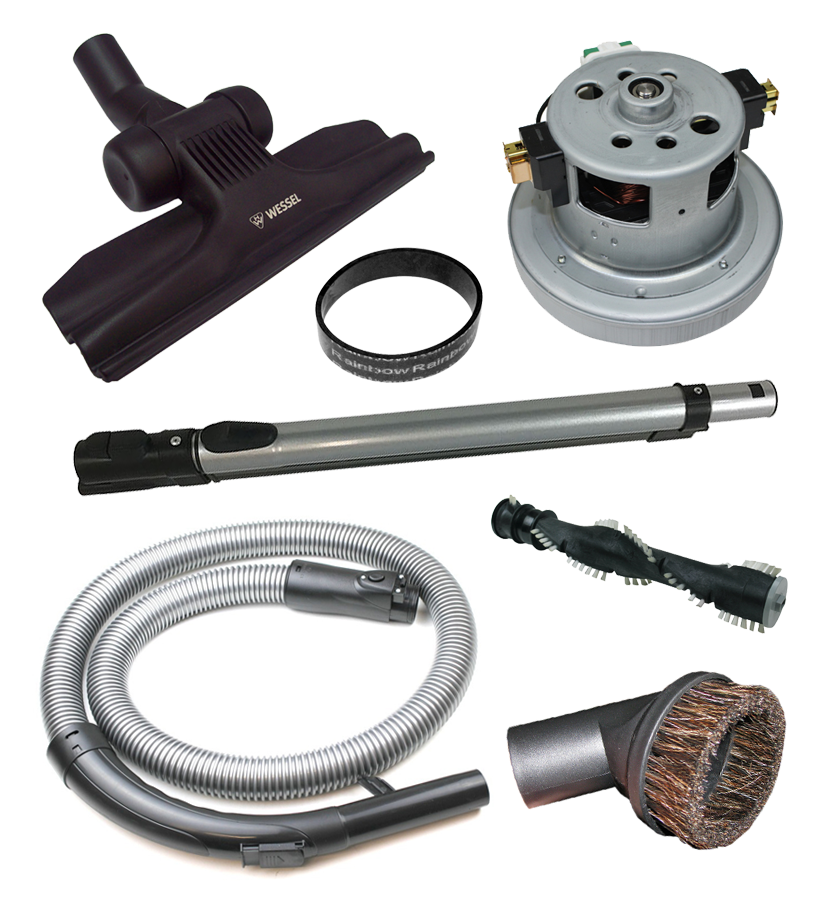
The motor of a vacuum cleaner is like its heart and powerhouse, determining how effectively it can suck up dirt and debris. This part creates both the suction power and airflow needed for good cleaning performance. A strong motor ensures constant suction, helping the vacuum pick up more dirt and particles from surfaces.
Here are a few signs that your motor might need to be repaired to replaced:
- Failure to power up: The vacuum cleaner doesn't turn on at all.
- Intermittent power: The vacuum cleaner turns on and off randomly.
- Reduced suction power: The vacuum struggles to pick up dirt and debris.
- Burning smell: A burning smell may indicate a short circuit or overheating motor.
- Strange noises: Unusual sounds coming from the vacuum can be a sign of motor issues.
- Filters
The job of vacuum cleaner filters is to catch and eliminate harmful elements, such as dust, allergens, and pollutants from the air. This improves indoor air quality while preventing breathing problems. The filters ensure particles do not reach the vacuum motor, protecting it from internal harm. This way, they guarantee good health for vacuum users and ensure optimal performance.
Here are the signs that your vacuum cleaner’s filters may need to be replaced:
- Loss of suction: A noticeable decrease in cleaning efficiency and capacity.
- Unusual noises: Whistling or straining sounds from the vacuum.
- Visible dirt: Dust and debris escape back into the air.
- Unpleasant odours: Persistent bad smells even after cleaning the vacuum.
- Excessive noise: Louder operation than normal.
- Brushes and rollers
The brushes and rollers are parts of a vacuum cleaner made to enhance the cleaning process. A brush roll, also referred to as a beater bar, is a cylinder with bristles that spin swiftly to rouse carpet fibres and suction dirt more easily.
Usually, the brushes and rollers of vacuum cleaners should be changed every 12 to 18 months. However, this may vary depending on how often you use it and the type of surfaces being cleaned. If there are pets in your house or if you frequently vacuum high-traffic areas, more frequent replacement of these parts might be necessary.
Here are the signs that brushes and rollers need replacement:
- Worn-out bristles: When the brush roll's bristles seem frayed, threadbare, or pressed down, it signifies a need for substitution.
- Loss of efficiency: When the vacuum cleaner is not effectively picking up dirt, and you have to pass over the same area repeatedly.
- Unusual noises: If the brush or roller creates a strange sound while in use, it could be due to damage or wear.
- Hose and wand
The hose and wand of a vacuum cleaner are essential for its versatility and reach. The hose is a flexible tube that increases the vacuum cleaner's reach, allowing you to clean areas beyond the floor, like upholstery and curtains. It's crucial to keep it clear of clogs to maintain suction power.
The wand is typically a rigid extension that assists in cleaning high areas like ceilings and racks. It might be telescope-like to modify its length to better vacuum challenging spots. Both brush and suction are necessary for the vacuum's power to make your home clean in a detailed and effective manner.
Here’s how you can inspect the wand and the hose for damage:
- Remove them from the vacuum cleaner to inspect them thoroughly.
- Look for any visible cracks, tears, or splits in the hose and wand.
- Run your hands along the length of the hose and wand to feel for any abnormalities, such as bumps or depressions.
- Shine a light through the hose and wand to check for any obstructions that could affect suction power.
- When reattached, turn on the vacuum and listen for any unusual sounds that might indicate a problem.
- Dustbin or vacuum cleaner bag
The dustbin or bag is essential for the vacuum cleaner to work efficiently and keep your home clean. They act as the primary storage unit for dirt, dust, and debris collected during vacuuming.
Dustbins and bags also perform a filtering function, keeping fine dust, tiny bits of dirt, and allergens inside. This is beneficial for those with allergies, as it prevents these particles from being redistributed into the air when you clean later. By containing debris, they guard the vacuum motor against damage, which can greatly extend its lifespan.
A clean and properly functioning dustbin or bag ensures consistent suction power, vital for good cleaning. When the bag gets full, it can be easily removed and discarded, preventing you from touching much of the collected debris and keeping your vacuum cleaner clean and hygienic.
Here’s when you should replace your dustbin/bag:
- Bagged vacuums: Replace the bag every 90 days or when it's 75% full to prevent deterioration and maintain performance.
- Bagless vacuums: Empty the dustbin regularly, and if you notice any damage or wear that could affect the vacuum's efficiency, it may be time to replace the dustbin.
Why should you know about Wertheim vacuum cleaner parts and their functions?
The more you know about your Wertheim vacuum cleaner parts and their functions, the better you can care for them, ensuring they remain a reliable cleaning companion for years to come. Here are a few benefits of learning about your vacuum cleaner’s parts.
- Maintenance and troubleshooting
Knowing Wertheim vacuum parts helps with keeping up the vacuum cleaner and dealing with any problems. For example, if you know a blocked filter can lower suction power, you can examine and clean it or change it when needed.
- Efficient use
Every part of a vacuum cleaner has its purpose, and becoming familiar with these Wertheim vacuum parts will help you to use the vacuum cleaner efficiently. For instance, if you select the correct attachment, it can be helpful to clean various kinds of surfaces.
- Safety
Knowing how every part operates is important to take correct safety measures when dealing with vacuums. This understanding can help avoid accidents and misuse that might damage the vacuum cleaner or cause injuries.
- Cost-friendly
Having the ability to clean and fix your vacuum cleaner can help you avoid the cost of professional service or early replacement of the whole unit.
- Smooth running
In the same way, keeping filters, hoses and brushes free from dirt means your vacuum cleaner will work at its best and this results in a tidier living space for you.
VacuumSpot: A reliable hub for spare parts and accessories
For Wertheim vacuum parts and accessories, VacuumSpot is always a reliable choice because we have an extensive variety of Wertheim vacuum parts. We make sure to give our customers the best quality by offering durable and compatible items at competitive prices. Visit VacuumSpot today for all your vacuum maintenance and repair needs.
FAQs
What are the signs that indicate I need to replace the filter in my Wertheim vacuum?
Look for reduced suction, unpleasant odours, or visible dirt escaping from the vacuum.
Can I wash the dustbin container of my Wertheim handstick vacuum?
Yes, most dustbin containers are washable, but always check the manual for specific instructions.
How often should I replace the motor assembly in my Wertheim vacuum?
Motor assemblies typically have a long lifespan, but if you notice a significant drop in performance or strange noises, it might be time for a replacement.