

Guide to Dyson vacuum replacement parts: How to extend the lifespan of your vacuum?
Dyson has gained popularity over the years for their innovative technology and strong performance of their vacuum cleaners. Dyson uses a special cyclonic separation system, which helps them to generate powerful suction. The smooth and modern style, along with the variety of models created for various cleaning requirements, is frequently selected by customers.
Even though Dyson vacuums are known for their durable technology, all machines need maintenance to work well. Taking care of vacuum cleaners not only provides good performance but also makes them last longer. If users omit maintenance, it may cause less suction power and maybe even permanent harm to the vacuum cleaner. Users should always maintain their vacuum cleaners and swap out any parts that are wearing down to prevent expensive repairs or replacements in the future.
In the blog, we will look at the main aspects of taking care of a Dyson vacuum and the need for Dyson vacuum replacement parts. This blog will assist you in identifying and resolving problems such as loss of suction, difficulties delivering power, or irregular noises. By adhering to these suggestions, your Dyson vacuum cleaner will continue to function effectively over an extended period.
Why is routine cleaning and maintenance so important?
To make sure your Dyson vacuum cleaner works at its optimal capacity and delivers the best performance, users should do regular and routine maintenance and change up their Dyson vacuum replacement parts, which will lower the chance of repairs and help bring value to your maintenance asset.
- Preserve optimal performance: Dyson vacuums are famous for their strong suction and dirt capture. However, if not cleaned often, dust and debris can accumulate in vital parts of the vacuum, which tends to decrease the suction power and performance. When a user cleans the filters, take out the dust bin or check for blockages in your Dyson vacuum cleaner—this keeps its efficiency going well!
- Prevents wear and tear: With continuous use, parts such as belts, brush bars, and batteries may experience wear and tear over time. If this wear and tear continues unaddressed and without maintenance, it could cause more serious damage like broken components or motor stress. By performing regular maintenance and upkeep, a user can locate and swap out worn-out parts before they cause bigger and more costly issues.
- Reduces the risk of breakdowns: A vacuum that is not well taken care of could break down or have problems in its operation. Issues such as blockages, motor strain and electrical faults usually happen because regular maintenance activities are ignored. If you keep your Dyson vacuum well maintained there might be less chance for unexpected breakdowns to occur, which will help you avoid the trouble of using a vacuum that does not work correctly.
- Extends the vacuum's lifespan: The life of a Dyson vacuum is based on how it is maintained. Taking good care of your vacuum not only keeps its performance strong in the short term but also helps it last for a longer time. By doing regular cleaning, changing Dyson vacuum replacement parts that have become worn out and fixing small problems, you can noticeably make your Dyson vacuum continue working well over an extended period and this might save you from needing to buy another one too soon.
- Maintains warranty coverage: Dyson usually offers warranties on their products, however failing to keep up with vacuum maintenance might cancel these warranties. By performing regular upkeep, users improve their chances of fulfilling the warranty's conditions which may result in getting free repairs or replacements when necessary.
What are the tips for routine cleaning and maintenance for Dyson vacuum cleaners?
Keeping your vacuum cleaner clean and well-maintained helps it work well and last longer.
- Regularly empty the dust bin or bag: For vacuum cleaners without bags, make sure to empty the dust container before it gets too full, this keeps the suction power strong. Observe the instructions provided by the manufacturer to prevent spills or the spreading of dust. With bagged vacuums, you should change the bag when it is 2/3 full or as instructed in the vacuum's manual.
- Clean or replace filters: You can find filters in most vacuums that catch small particles and allergens. To clean these, follow the instructions and usually, it is suggested to do so every 1-3 months. Let them dry completely before putting them back in place. Change filters that are not washable as per the manufacturer's recommendation, typically every 6-12 months or earlier if they appear dirty or blocked.
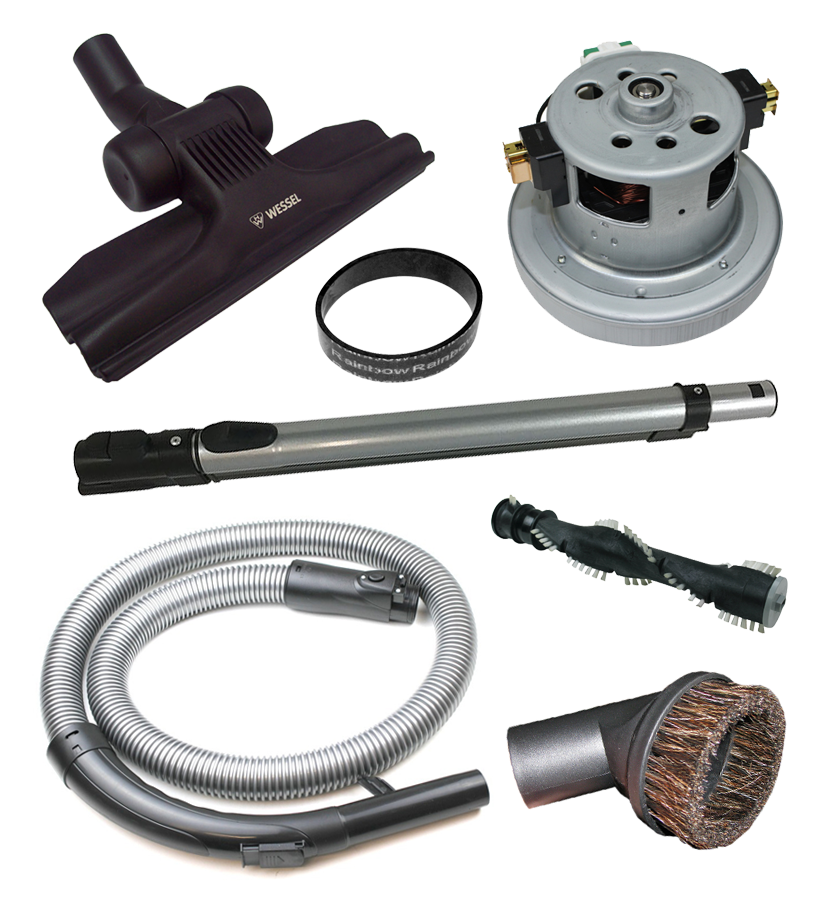
- Inspect and clean the brush bar or brush roll: Take out hair, fibres and dirt from the brush bar to prevent dirt from getting twisted to ensure your vacuum works well. If the brush bar can be detached, remove it and clean it completely. Examine for signs of improper use or harm; if the bristles are worn out, substitute the brush bar.
- Check for clogs and blockages: Check the vacuum's hoses, tubes, and other passages for blockages. You can delicately move through and around them with a long item such as a broom handle. For vacuums that have a floor head that can be removed, you should make sure to clean any dirt or debris that may have gathered in the internal parts.
- Inspect and replace worn parts: Inspect and examine the belts to ensure there is no excessive wear, stretching or harm. These parts are crucial for brush bar operation so change them if required. Inspect the power cord for any frays or harms; call experts to fix it if you notice such issues. Ensure all connections and attachments are secure.
- Clean the vacuum's exterior and attachments: Wipe down the vacuum's exterior with a damp cloth to remove dust and dirt. Clean the attachments, such as crevice tools and upholstery brushes, to make sure they are not obstructed by any waste and can work correctly.
- Check the vacuum's wheels and moving parts: Check that the wheels of the vacuum are spinning easily and do not have any materials stuck around them. Clean if necessary, inspect moving parts for smooth operation, and lubricate if recommended by the manufacturer.
- Store the vacuum properly: Store the vacuum in a dry place away from excessive heat or cold and keep attachments organised and accessible for easy use.
- Follow the manufacturer's recommendations: Refer to the vacuum's user manual for specific maintenance guidelines and recommendations. Use only parts and accessories that are approved by the manufacturer to make sure they work correctly with your machine.
These suggestions and tips will assist in the smooth functioning and long-term durability of your vacuum cleaner.
What makes VacuumSpot a highly reliable hub for Dyson vacuum replacement parts?
VacuumSpot has a strong collection of spare parts and accessories, so you can easily find what you need. They cover many different components, ranging from common items like Dyson vacuum replacement parts, filters or brush rolls to more specific parts for popular vacuum brands including Wertheim. This wide variety increases the chances that you'll find exactly what you're looking for without enduring a long search process.
VacuumSpot is a very dependable place for spare parts and accessories because it has a large collection of items available at all times. They are committed to offering high-quality products; they provide expert help and always prioritise customer happiness. The problem of finding good quality parts is solved by VacuumSpot's big inventory, commitment to providing only the best products, professional assistance and focus on customer needs. This makes VacuumSpot an excellent choice for all your vacuum cleaner maintenance and improvement requirements.